
Date/Horaire
26/11/2026
18h00 - 19h00 Europe/Paris
Can we develop a distinctly European perspective on intercultural management without simply importing frameworks developed in the English-speaking world?
Many of today’s dominant approaches to cross-cultural management, Diversity & Inclusion (D&I), and organisational behaviour have been shaped by Anglo-American intellectual and institutional traditions. While these frameworks have made significant contributions, an important question remains: To what extent do they reflect Europe’s own historical, philosophical, and social psychology?
European continental and Anglo-Saxon traditions have developed different ways of understanding the relationship between the individual and the collective, public and private life, citizenship, diversity, and the common good.
Drawing on philosophy, history, anthropology, and management studies, this webinar will explore how these intellectual legacies continue to influence the way organisations approach cultural differences, inclusion, cooperation, and conflict.
Rather than opposing competing models or questioning the value of Anglo-American contributions, the session invites participants to broaden the conversation: What might intercultural management look like if we approached it through a wider diversity of intellectual and social traditions?
Could a more explicitly European perspective offer new ways of thinking about diversity, collective responsibility, and cooperation in multicultural organisations?
This interactive webinar is an invitation to question familiar assumptions, exchange perspectives, and explore new possibilities for the future of intercultural management.
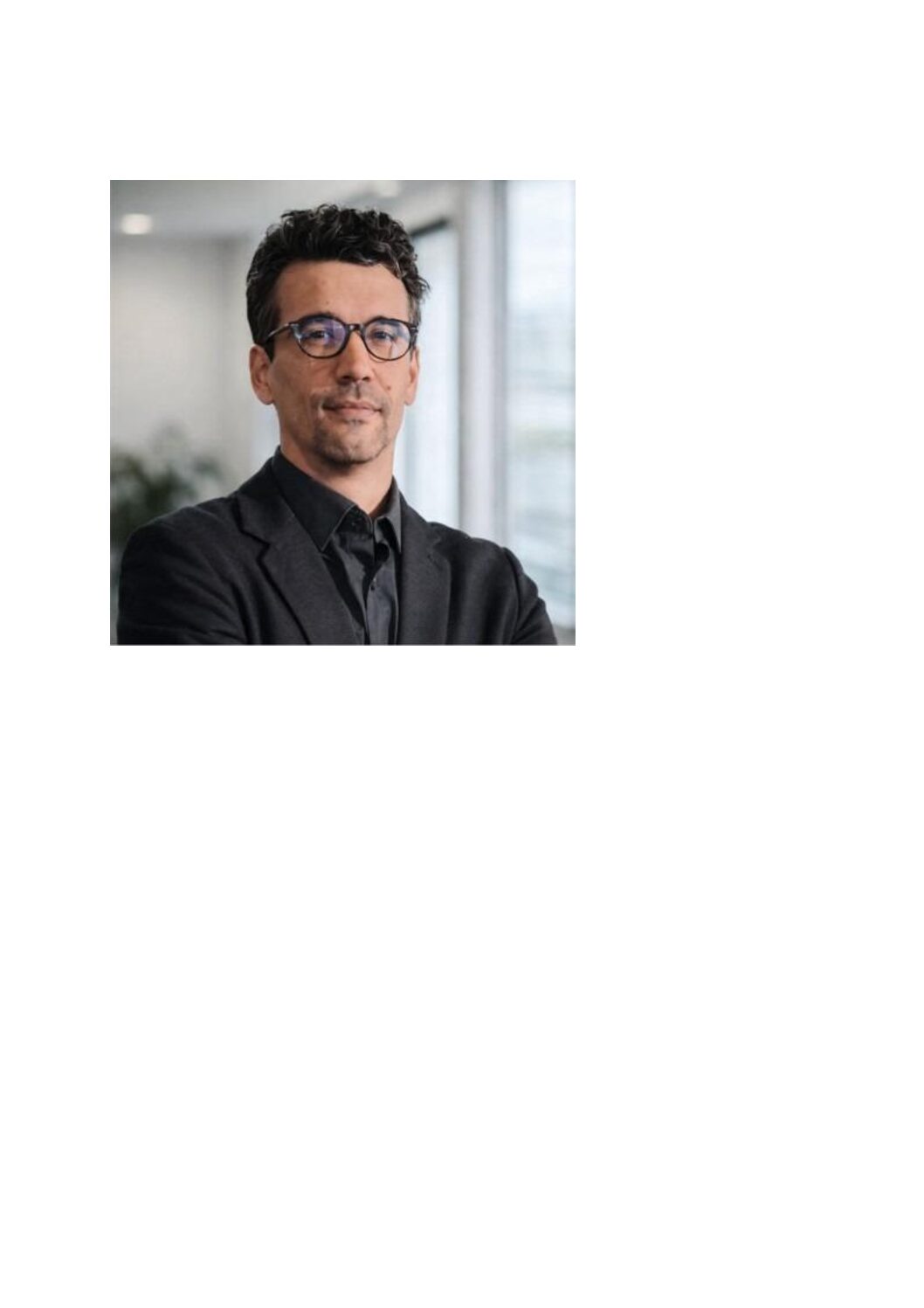
Juan-Esteban Marcos is the founder of ANEMO and a practitioner of intercultural intelligence. For over 15 years, he has supported public, private, and international organisations in addressing the challenges of cooperation, management, and conflict in multicultural environments.
He has worked with more than 100 organisations and professionals representing over 60 nationalities. His approach combines social psychology, philosophy, management, and intercultural analysis, with a particular focus on developing the practical competencies needed to navigate diversity and foster effective cooperation.